

 +44 (0)333 202 6800
Buying Guide for Natural Environments
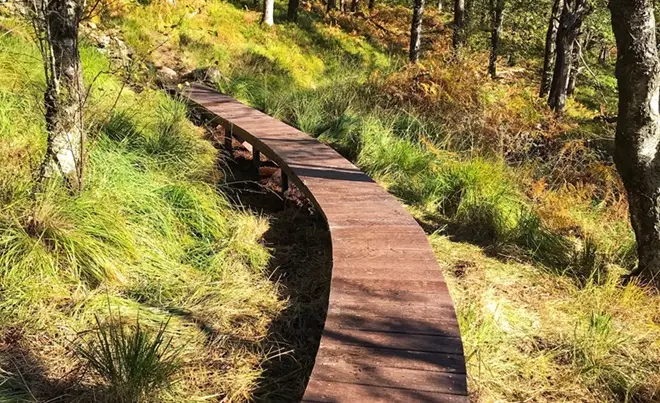
Choosing Long-Lasting Furniture for Nature Reserves, Parks & Wetlands
Creating Outdoor Spaces That Last
Natural environments are designed to be explored, enjoyed and protected. From country parks and woodlands to wetlands, coastal paths and nature reserves, the furniture and infrastructure installed within these spaces plays an important role in improving visitor access, protecting sensitive habitats and enhancing the overall visitor experience.
Whether you're specifying a new boardwalk, installing interpretation signage or replacing ageing benches, every product must withstand continuous exposure to the elements while requiring as little maintenance as possible.
This guide explains what to consider when selecting furniture and infrastructure for natural environments, and why recycled plastic products are increasingly specified for projects where durability and long-term performance are key priorities.
Why Furniture Matters in Natural Environments
Unlike urban public spaces, furniture installed within natural settings often operates in more demanding conditions.
Products may be exposed to:
- Constant rainfall and moisture
- Standing water
- Mud
- Frost and snow
- Salt air in coastal locations
- UV exposure
- Tree debris and vegetation
- High visitor numbers
- Wildlife interaction
Maintenance access can also be limited, making durability an important consideration during specification.
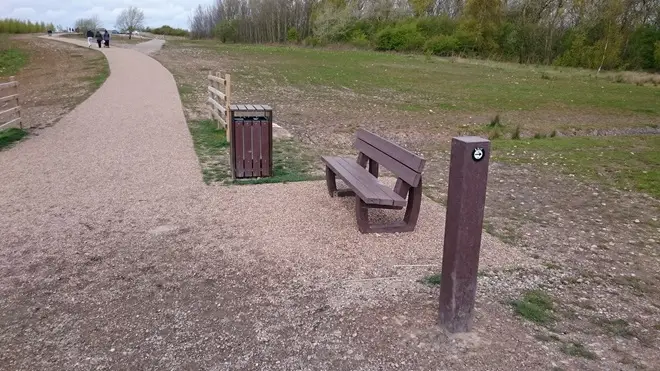
Essential Products for Nature Reserves and Parks
Many natural environment projects require a coordinated range of products to improve accessibility, visitor comfort and site management.
Boardwalks
Boardwalks allow visitors to safely access wetlands, marshes, woodlands and other sensitive habitats while helping reduce ground disturbance.
Common applications include:
- Nature reserves
- Wetlands
- Coastal paths
- Country parks
- Woodland trails
- Conservation projects
Selecting materials that perform well in damp conditions is essential for long-term reliability.
Benches
Well-positioned seating provides opportunities for visitors to rest, observe wildlife and enjoy the surrounding landscape.
Benches are commonly installed:
- Along walking routes
- At viewpoints
- Around visitor centres
- Near interpretation areas
- Within picnic spaces
Durable seating can help reduce ongoing maintenance requirements in remote locations.
Recycled Plastic Picnic Tables
Signage and Interpretation Boards
Wayfinding and interpretation signage helps visitors navigate sites safely while providing information about local habitats, wildlife and conservation initiatives.
Signage may include:
- Directional signs
- Trail markers
- Information boards
- Educational displays
- Welcome signs
Litter and Recycling Bins
Providing appropriate waste facilities helps maintain clean, attractive visitor environments.
Commercial bins should:
- Withstand outdoor conditions
- Integrate with surrounding furniture
- Be easy to maintain
- Offer long service life

What Should You Look for When Specifying Outdoor Furniture?
Durability
Furniture installed in natural environments often remains in place throughout the year.
Products should be capable of withstanding:
- Heavy public use
- Seasonal weather
- Moisture exposure
- Temperature fluctuations
Low Maintenance
Many parks and reserves operate with limited maintenance resources.
Selecting products that require minimal upkeep can help reduce:
- Routine inspections
- Repairs
- Replacement programmes
- Maintenance visits
Safety
Visitor safety should always be considered.
Furniture should provide:
- Stable construction
- Smooth surfaces
- Secure fixings
- Suitable walking surfaces where applicable
This is particularly important on boardwalks, viewing platforms and public access routes.
Visual Integration
Furniture should complement the surrounding landscape rather than dominate it.
Natural colours and coordinated product ranges can help create a consistent appearance throughout a site.
Why Recycled Plastic Is Increasingly Used in Natural Environments
Many organisations responsible for parks, reserves and conservation sites are choosing recycled plastic products because of their practical performance characteristics.
Resistant to Rot
Unlike timber, recycled plastic does not rot when exposed to moisture.
This makes it particularly suitable for:
- Wetlands
- Boardwalks
- Woodland paths
- Coastal environments
- Waterside projects
Low Maintenance
Recycled plastic products typically do not require:
- Painting
- Staining
- Preservative treatments
Routine cleaning is generally all that is needed to maintain appearance.
Long Product Life
Where access for maintenance is difficult, long-lasting materials can help reduce future replacement programmes and associated labour costs.
Consistent Appearance
Unlike timber, recycled plastic does not splinter as it ages and maintains a consistent appearance throughout its service life.
Choosing Products for Different Natural Environments
Nature Reserves
Nature reserves often require infrastructure that allows visitors to experience sensitive habitats while helping minimise environmental disturbance.
Typical products include:
- Boardwalks
- Viewing platforms
- Interpretation signage
- Benches
- Wayfinding
Country Parks
Country parks generally require furniture capable of accommodating large visitor numbers throughout the year.
Products commonly include:
- Picnic tables
- Benches
- Litter bins
- Information boards
- Trail markers
- Woodland Trails
Woodland environments often experience prolonged damp conditions and falling debris.
Durable materials can help reduce maintenance requirements while providing reliable visitor infrastructure.
Coastal Locations
Furniture installed in coastal settings must withstand moisture, salt air and changing weather conditions.
Materials selected for these environments should be suitable for prolonged outdoor exposure.
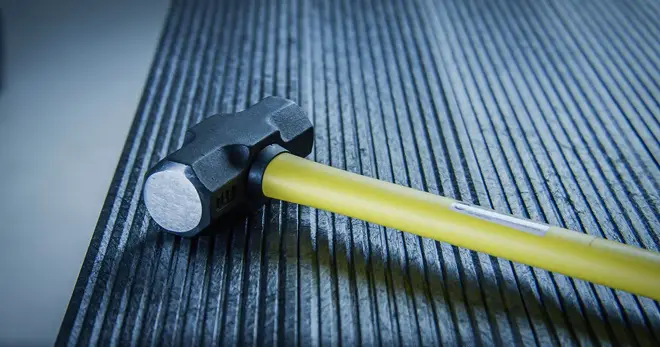
Whole-Life Cost Should Guide Specification
When evaluating outdoor furniture, purchase price should only form part of the decision-making process.
Decision makers should also consider:
- Installation costs
- Maintenance requirements
- Inspection frequency
- Repair costs
- Product lifespan
- Replacement programmes
Lower-maintenance products can often provide greater long-term value over the lifetime of an installation.
Why Choose Plaswood for Natural Environment Projects?
Plaswood manufactures recycled plastic products suitable for parks, nature reserves and outdoor visitor environments.
Benefits include:
- Resistant to rot and moisture
- Low maintenance
- No painting or staining required
- Durable construction
- Suitable for year-round outdoor use
- Available across coordinated product ranges including boardwalks, benches, signage and bins
Whether you're upgrading a woodland trail, improving visitor facilities within a country park or delivering a new wetland access project, choosing durable products can help reduce future maintenance while supporting long-term site management.
Planning a Natural Environment Project?
Explore Plaswood's solutions for boardwalks, signage, seating and outdoor infrastructure, or contact our team to discuss the most appropriate products for your project.
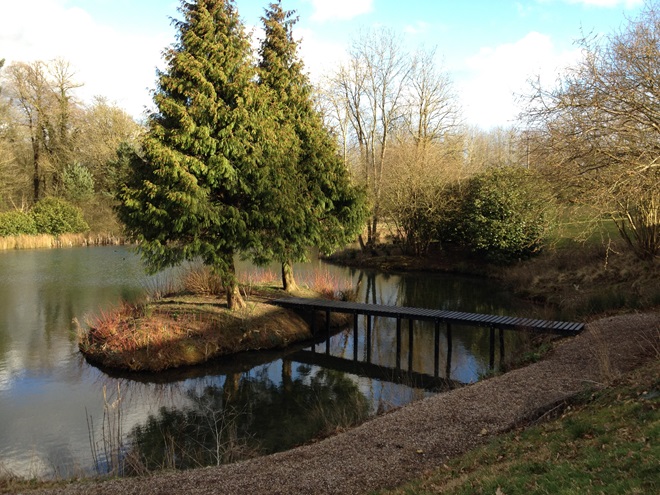
Frequently Asked QuestionsWhat furniture is commonly used in nature reserves?Typical products include boardwalks, benches, picnic tables, litter bins, wayfinding signage and interpretation boards.Why is recycled plastic suitable for wetlands?Recycled plastic does not rot when exposed to moisture, making it well suited to wetland boardwalks and waterside environments.Do recycled plastic products require painting?No. Unlike timber, recycled plastic products do not require painting, staining or preservative treatments.Can recycled plastic signage be used outdoors all year?Yes. It is designed for long-term outdoor use and is suitable for parks, nature reserves and other exposed environments.What should be considered when specifying furniture for natural environments?Key considerations include durability, maintenance requirements, visitor safety, accessibility, expected lifespan and suitability for the site's environmental conditions.
Need more information?
Our team is here to help you find the solution. Get in touch and we'll answer your questions.
