

 +44 (0)333 202 6800
Buying Guide: Outdoor School Furniture
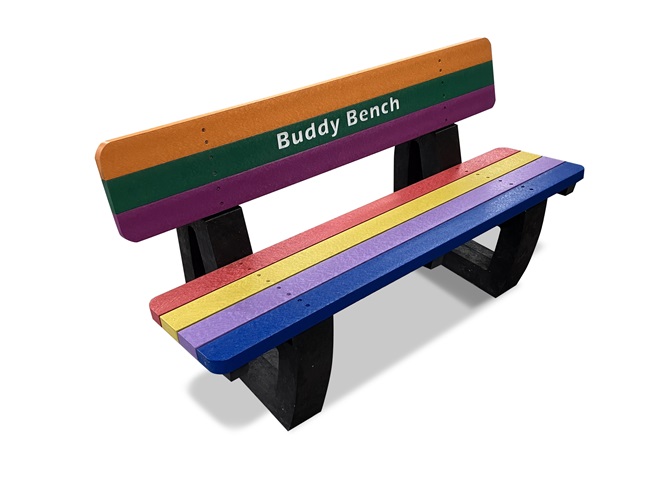
Designing Outdoor Spaces That Teach
Outdoor furniture in schools should do more than provide seating. It can support:
- Outdoor classrooms
- Reading and reflection zones
- STEM exploration areas
- Forest school environments
- Social development spaces
- Inclusive learning environments
Recycled plastic furniture offers schools the opportunity to create safe, colourful, durable and educationally purposeful environments without increasing maintenance burdens.
Learning-Focused Outdoor Furniture Solutions
Outdoor Classrooms & Curriculum Support
Recycled plastic benches and picnic tables can be arranged to form:
- Circular discussion areas
- Amphitheatre-style group seating
- Small breakout learning pods
- Quiet reading corners
Curriculum Applications
- Literacy: reading circles and storytelling sessions
- Maths: practical measurement and outdoor problem-solving
- Science: outdoor experiments and observation sessions
- PSHE: social interaction and collaborative learning
- Art: sketching and nature-based projects
Explore suitable options:
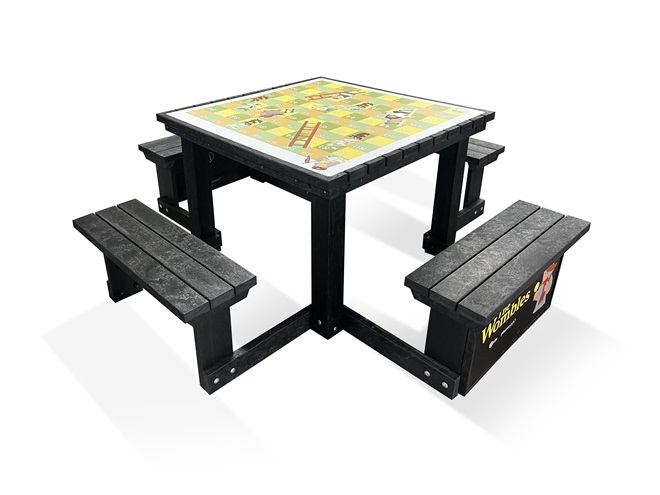
Sensory & Wellbeing Spaces
Outdoor furniture plays a role in supporting:
- Neurodiverse pupils
- Calm-down spaces
- Mindfulness sessions
- Pastoral support areas
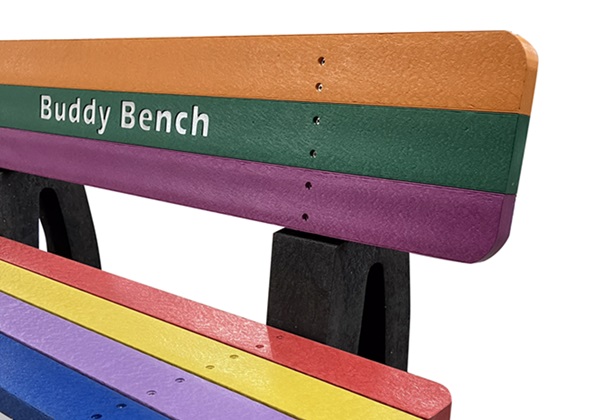
Bright, colour-stable recycled plastic allows schools to:
- Create colour-coded zones
- Design sensory gardens
- Define structured but welcoming areas
The splinter-free surface and smooth finish make furniture safe for high-touch environments.
Raised Beds for Outdoor Learning & STEM
Raised beds are one of the most powerful educational tools in outdoor environments. They support:
- Science (plant growth cycles)
- Sustainability education
- Nutrition awareness
- Biodiversity projects
- Responsibility and teamwork
Recycled plastic raised beds are:
- Rot-resistant
- Safe for soil contact
- Low maintenance
- Long-lasting in wet UK climates
Unlike timber beds, they are highly resistant to decay and typically require less frequent replacement.
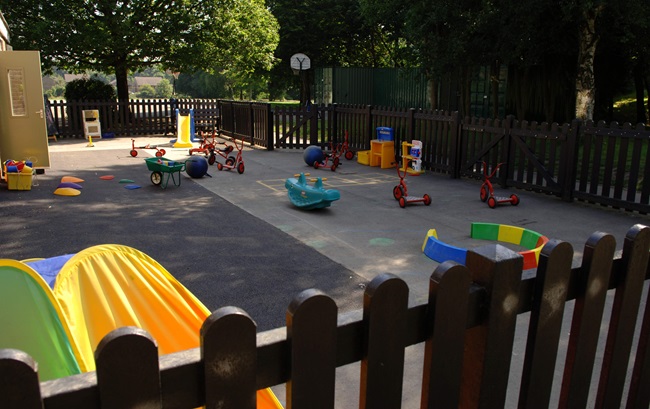
Defined Learning Zones with Fencing & Boundaries
Fencing and edging products are not just for security. They help create:
- Nature study areas
- Wildlife habitats
- Quiet reflection gardens
- Age-segregated play zones
- Outdoor classrooms
Recycled plastic fencing:
- Does not splinter
- Will not rot at ground level
- Requires no repainting
- Withstands high pupil contact
Log roll edging can define learning areas without harsh visual barriers.
Boardwalks for Nature & Environmental Education
For schools with larger grounds, boardwalk systems enable:
- Wetland exploration
- Forest school trails
- Pond studies
- Habitat access without soil erosion
Educational Benefits:
- Encourages environmental stewardship
- Enables safe access to biodiversity zones
- Supports geography and ecology modules
- Reduces ground damage in high-use areas
Recycled plastic boardwalks offer:
- Slip-resistant surfaces
- Weather resistance
- Long lifespan
- Resistant to moisture-related degradation
This makes them particularly suitable for year-round outdoor learning.
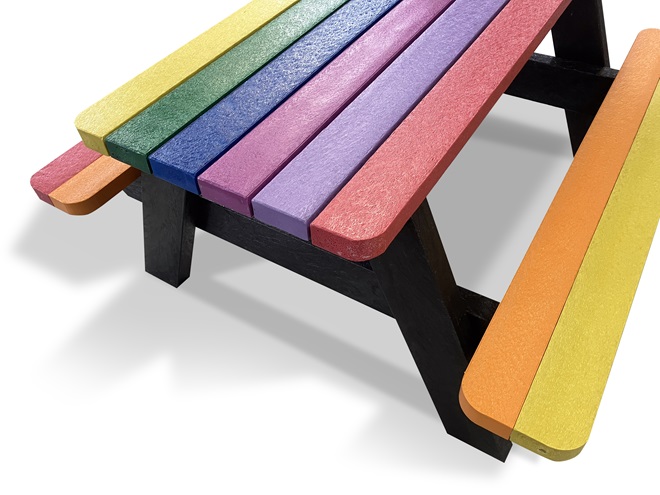
Picnic Tables as Social Development Tools
Outdoor dining areas double as:
- Social skill development spaces
- Group project areas
- Homework clubs in summer
- Informal teaching environments
Accessible picnic tables allow:
- Inclusive participation
- Mixed-ability learning
- Wheelchair access
Durable, low-maintenance materials ensure schools avoid repainting or replacing timber furniture during term time.
Durability in High-Impact Educational Settings
School environments place exceptional demands on outdoor furniture:
- Climbing and heavy use
- Daily contact
- Food and drink spills
- Cleaning chemicals
- Seasonal weather extremes
Recycled plastic furniture offers:
- Impact resistance
- Does not splinter like timber
- Moisture resistance
- Insect damage
- Does not require preservative treatments typically used with timber products
This ensures safety and consistency across academic years.
Sustainability as a Teaching Tool
Outdoor furniture can itself become part of environmental education.Recycled plastic products:
- Made using recycled plastic materials that support the reuse of plastic waste
- Help illustrate circular economy principles in practice
- Support school’s sustainability initiatives
- Reinforce sustainability values
Schools can actively reference their outdoor furniture in sustainability lessons.
Specification Checklist for Educational Environments
Before selecting products, consider:
- Age group suitability
- Seating height and ergonomics
- Ground fixing options
- Accessibility requirements
- Layout for supervision
- Curriculum integration
- Long-term maintenance planning
Frequently Asked Questions
Q. How can outdoor school furniture support learning?
A: It enables outdoor classrooms, STEM projects, reading spaces, social development areas and environmental education zones.
Q: Are recycled plastic raised beds safe for growing food?
A: Yes. They are suitable for soil contact and do not require preservative treatment typically associated with timber products.
Q: Can outdoor spaces be adapted for SEND pupils?
A:Yes. Colour zoning, stable seating and defined quiet areas support inclusive learning.
Q: Is recycled plastic durable enough for school playgrounds?
A: Yes. It is designed for heavy public use and withstands impact, moisture and weather exposure.
Q: Does this furniture require annual maintenance?
A:No repainting or sealing is required - only occasional cleaning.
Outdoor school furniture should do more than fill space
It should support learning, wellbeing, sustainability and safety.
Recycled plastic benches, raised beds, fencing and boardwalks provide schools with the flexibility to design purposeful, low-maintenance environments that enhance education beyond the classroom walls.
Explore the full range:
For advice or project support, speak with an advisor today.
Need more information?
Our team is here to help you find the solution. Get in touch and we'll answer your questions.
