

 +44 (0)333 202 6800
Buying Guide: Plastic Lumber
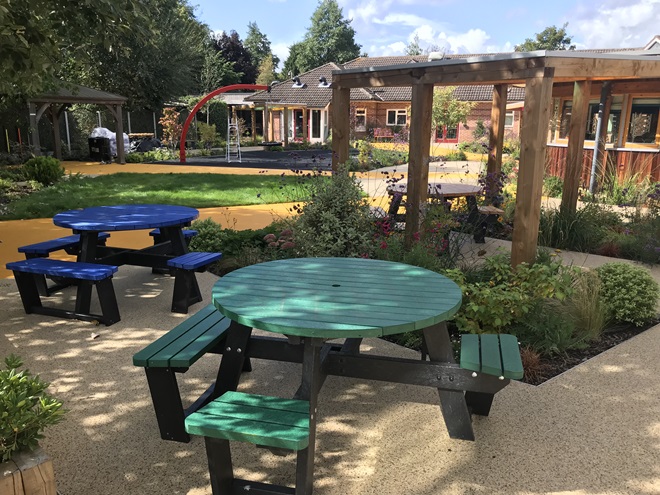
Choosing the Right Material for Long-Term Outdoor Performance
Durability is a key consideration when selecting materials for outdoor construction, landscaping and public‑realm projects.
Timber remains widely used, but many organisations experience recurring issues such as rot, moisture damage, splintering, warping and frequent replacement cycles. As maintenance budgets tighten, contractors and asset owners are exploring materials that offer consistent performance and lower routine upkeep.
Recycled plastic lumber is one option increasingly being considered. Manufactured from recycled plastic and designed for outdoor use, it provides a durable alternative to timber across applications including landscaping, fencing, decking, boardwalks, outdoor furniture, and public spaces.
This guide explains how plastic lumber works, where it can be used and how to select the right profile for your project.
What Is Plastic Lumber?
Plastic lumber is a solid construction material made from recycled plastic. Because it does not contain natural fibres, it does not absorb moisture in the same way as timber. This characteristic helps reduce many of the issues commonly associated with wood in outdoor environments.
Plaswood lumber is available in a wide range of dimensions and profiles, enabling use across both structural and non‑structural applications.
Common profile formats include:
Plastic lumber can be cut, drilled, routed and fabricated using standard woodworking tools, making it familiar for contractors to work with.
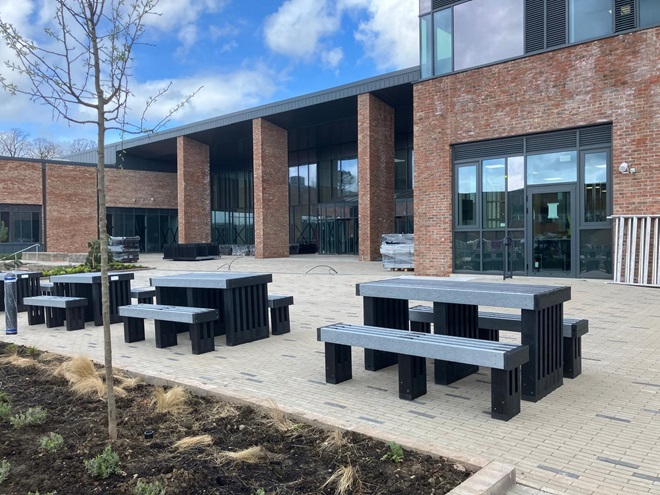
Why Are Contractors Choosing Plastic Lumber?
Reduced Maintenance Requirements
A key reason organisations consider recycled plastic lumber is to reduce maintenance obligations. Timber installations often require:
- Painting
- Staining
- Preservative treatments
- Repair of splits and cracks
- Replacement of rotten sections
Plastic lumber does not rot or splinter, which helps reduce many of these routine activities. For local authorities, visitor attractions, schools, commercial estates and infrastructure operators, this can support lower lifetime maintenance demands.
Resistance to Rot and Moisture
Outdoor structures are exposed to rain, frost, standing water and fluctuating temperatures. Because plastic lumber does not absorb water, it is suitable for environments such as:
- Wetland projects
- Coastal environments
- Canal and riverside infrastructure
- Parks and public spaces
- Agricultural settings
Areas with persistent damp conditions often see the greatest practical benefit from moisture‑resistant materials.
No Splintering
In public‑facing environments, user safety is essential. Timber can degrade over time, creating splinters or sharp edges. Plastic lumber maintains a consistent surface finish, making it suitable for:
- Schools
- Visitor attractions
- Public seating areas
- Play environments
- Hospitality venues
Long-Term Dimensional Stability
Temperature and moisture changes can cause timber to expand, contract and warp. Plastic lumber offers more consistent dimensional stability (limited to linear thermal expansion & contraction), helping maintain the appearance and performance of installed structures.
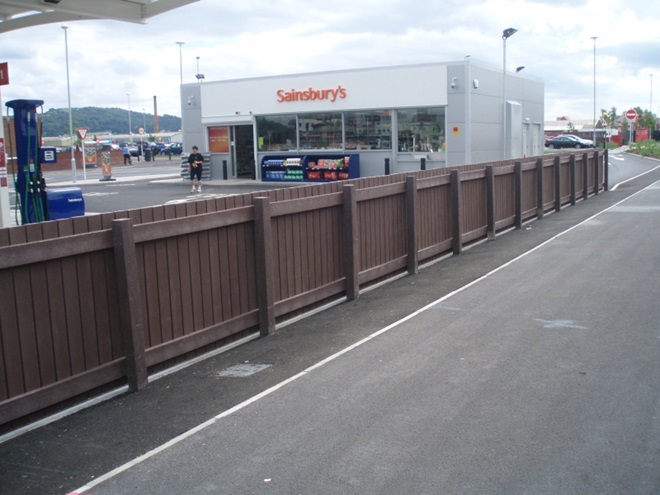
Common Applications for Plastic Lumber
Landscaping Projects
Landscape architects and contractors use plastic lumber for:
- Raised beds
- Edging
- Retaining structures
- Seating
- Planters
- Boundary features
Its durability makes it particularly attractive where ongoing maintenance access is limited.
Public Realm Installations
Local authorities specify recycled plastic products for:
The material’s durability helps reduce maintenance interventions across public assets.
Manufacturing and Fabrication
Plastic lumber is used as a replacement for timber components within manufactured products, including:
- Pallets
- Storage systems
- Industrial structures
- Agricultural equipment
- Bespoke fabricated assemblies
Multiple profile sizes allow manufacturers to design solutions around specific performance requirements.
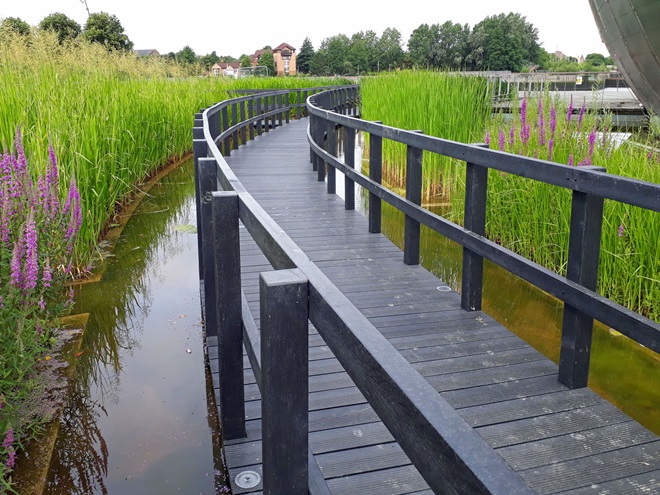
Boardwalks and Access Routes
Plastic lumber is widely used in:
- Wetland boardwalks
- Nature reserves
- Coastal access routes
- Parks
- Public pathways
Its moisture resistance makes it well suited to these environments.
Which Plastic Lumber Profile Should You Choose?
The correct profile depends on the application.
Square Profiles
Used where strength and rigidity are required.
Applications include:
- Posts
- Frameworks
- Supports
- Bollards
Rectangular Profiles
Suitable for:
- Rails
- Bearers
- Framing systems
- Seating structures
Boards
Frequently specified for:
- Cladding features
- Seating
- Signage
- Planters
- Landscaping structures
Decking Profiles
Designed for walking surfaces and outdoor access routes.
Common uses include:
- Decking systems
- Boardwalks
- Viewing platforms
- Outdoor hospitality areas
Whole-Life Cost Considerations
Initial purchase price is only one factor when selecting outdoor materials. Decision‑makers should also consider:
- Maintenance requirements
- Replacement frequency
- Labour needs
- Operational disruption
- Asset lifespan
Projects with high public use or limited maintenance access often achieve strong long‑term value from materials that require fewer interventions. This is particularly relevant for:
- Schools
- Local authorities
- Holiday parks
- Visitor attractions
- Infrastructure operators
Why Choose Plaswood Lumber?
Plaswood lumber is manufactured in the UK using recycled plastic and is available in a wide range of profiles and dimensions.
Material characteristics include:
- Wide profile selection
- Suitable for fabrication and machining
- Resistant to rot and moisture
- Low maintenance requirements
- Long service life
- Consistent appearance
- Available for bespoke projects
Whether you’re constructing public infrastructure, landscaping commercial sites or manufacturing outdoor products, selecting the right lumber profile is essential for long‑term performance.
Looking for Plastic Lumber for Your Next Project?
Explore the full range of Plaswood lumber profiles or speak with our team for advice on selecting the most appropriate section sizes and configurations for your application.
Need more information?
Our team is here to help you find the solution. Get in touch and we'll answer your questions.
