

 +44 (0)333 202 6800
Buying Guide to Public Realm Furniture
Creating Public Spaces That Stand the Test of Time
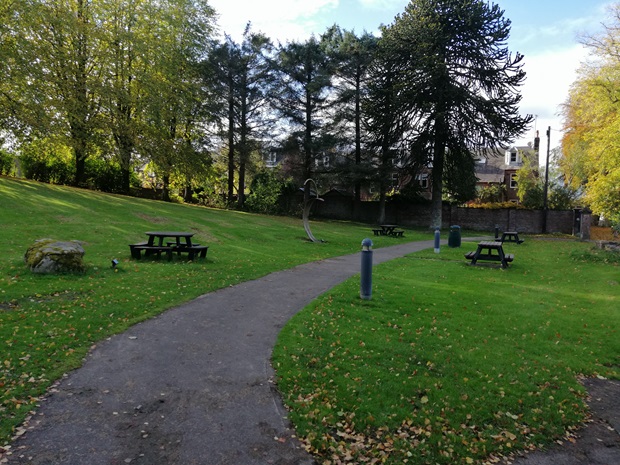
Public spaces are among the most visible assets owned and maintained by local authorities. Every park bench, litter bin, bollard and information board contributes to how residents and visitors perceive the quality of an area.
However, specifying public realm furniture is about far more than appearance.
Local authorities, landscape architects and approved contractors must balance durability, whole-life cost, maintenance requirements, accessibility, sustainability and public safety - all while working within increasingly restricted budgets.
Choosing the right street furniture from the outset can help reduce future maintenance costs while improving the appearance and usability of parks, town centres, housing developments, schools, public rights of way and recreational spaces.
For this reason, many councils are moving away from traditional timber products towards recycled plastic alternatives that provide a long service life with minimal maintenance.
Why Specification Matters
Public realm furniture experiences some of the harshest operating environments imaginable.
Unlike residential products, furniture installed within public spaces may be subjected to:
- Thousands of users every year
- Constant exposure to rain, frost and UV
- Mud and standing water
- Pressure washing
- Graffiti
- Accidental damage
- Deliberate vandalism
- Grounds maintenance equipment
- Dogs and wildlife
- Coastal environments
- Vehicle pollution
Products that perform well in domestic gardens often fail prematurely when exposed to continuous public use.
Selecting furniture designed specifically for commercial and municipal environments helps avoid unnecessary replacement programmes and ongoing maintenance costs.
Understanding Whole-Life Cost Rather Than Purchase Price
One of the biggest mistakes made during procurement is evaluating furniture solely on its initial purchase cost.
A timber bench may appear to offer better value initially.
However, over a twenty-year period, maintenance often includes:
- Annual inspections
- Sanding
- Painting
- Staining
- Preservative treatments
- Replacement timber sections
- Rust treatment
- Labour costs
- Disposal costs
These ongoing expenses can substantially increase the total cost of ownership over time.
Recycled plastic furniture can help reduce lifecycle costs by removing many routine maintenance requirements.
For procurement teams working within long-term asset management strategies, whole-life value is often a far more meaningful measure than initial capital expenditure.
Essential Public Realm Furniture
Most public environments require a coordinated range of street furniture.
Rather than selecting products individually, many authorities adopt consistent design styles across an entire borough, district or development.
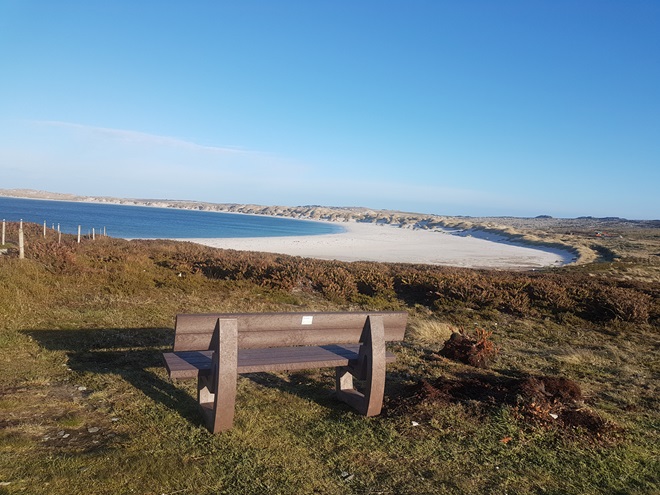
Park Benches
Park benches remain one of the most heavily used pieces of public infrastructure.
Whether installed within:
- Country parks
- Urban parks
- Nature reserves
- Play areas
- Coastal promenades
- Canal paths
- Town centres
- Memorial gardens
They must remain safe, attractive and structurally sound for many years.
Recycled plastic benches provide numerous advantages over traditional timber:
- Resistant to rot in outdoor environments
- Does not splinter in the same way as timber
- Resistant to moisture
- Easy to clean
- Comfortable throughout the year
- Long service life
- Available in multiple styles
For authorities responsible for hundreds -or even thousands - of benches, these maintenance savings quickly become significant.
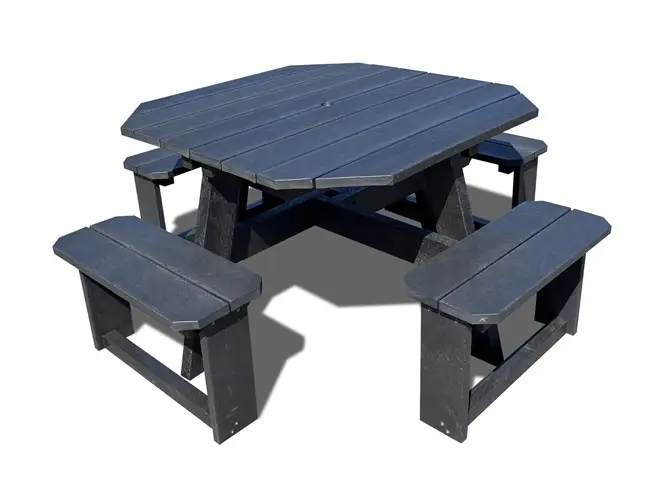
Picnic Benches
Picnic areas encourage families to spend longer outdoors while supporting healthier communities.
Commercial picnic benches should be capable of withstanding:
- School visits
- Community events
- Daily family use
- Food and drink spills
- Year-round weather exposure
Unlike timber alternatives, recycled plastic requires virtually no repainting or annual treatment.
Recycled Plastic Picnic Benches
Litter & Recycling Bins
Waste management is one of the largest ongoing maintenance responsibilities within public spaces.
Well-designed bins should:
- Resist corrosion
- Be simple to empty
- Withstand heavy use
- Remain visually attractive
- Integrate with surrounding furniture
Matching bins and seating creates a cohesive appearance across parks and public open spaces.
Bollards
Bollards perform an essential role in protecting pedestrians and managing vehicle access.
Applications include:
- Park entrances
- Shared spaces
- Schools
- Car parks
- Housing developments
- Public pathways
Durable recycled plastic bollards offer excellent weather resistance while maintaining their appearance for many years.
Signage & Information Boards
Wayfinding and interpretation boards help visitors navigate public spaces while promoting local heritage, biodiversity and community initiatives.
Using matching materials across seating, bins and signage helps establish a consistent identity throughout a site.
Why Recycled Plastic Has Become the Preferred Choice
Many councils are replacing traditional hardwood furniture with recycled plastic alternatives for several practical reasons.
No Rot
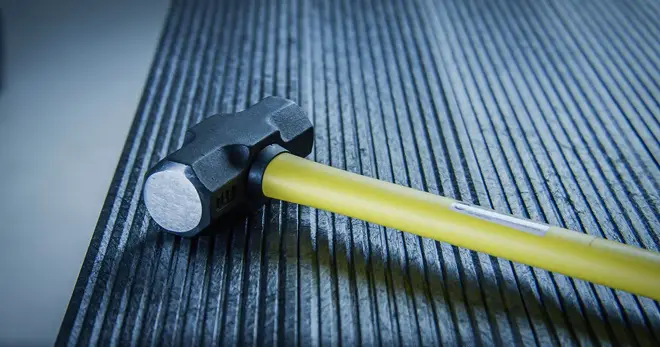
Unlike timber, recycled plastic does not absorb moisture.
This eliminates many of the structural problems associated with prolonged exposure to wet British weather.
No Splinters
Splintered timber presents a safety concern, particularly around children.
Recycled plastic is designed to maintain a smooth surface throughout its service life.
Minimal Maintenance
There is no need for:
- Painting
- Staining
- Wood preservatives
- Waterproof coatings
Routine cleaning is generally all that is required.
Excellent Weather Resistance
Whether installed in coastal environments or exposed hilltops, recycled plastic is well suited to exposure from:
- Rain
- Snow
- Frost
- UV
- Salt air
- Temperature fluctuations
Long Product Life
Many recycled plastic products remain in service for decades.
This dramatically reduces replacement programmes and associated labour costs.
Designing Against Vandalism
Unfortunately, vandalism remains a challenge for many local authorities.
Furniture should therefore be specified with resilience in mind.
Plaswood products are well suited to public environments because they are:
- Robustly constructed
- Resistant to moisture damage
- Difficult to chip or splinter
- Easy to clean following graffiti removal
- Less susceptible to deterioration than painted timber
While no street furniture can be described as completely vandal-proof, selecting durable materials can help reduce repair frequency and replacement costs.
Supporting Sustainability Objectives
Most local authorities now have ambitious environmental and sustainability targets.
Recycled plastic street furniture can support these objectives through the use of recycled material content and a long service life.
Benefits include:
- Manufactured using recycled plastic materials that might otherwise enter waste streams
- Long product lifespan
- Recyclable at end of service life where suitable recycling facilities exist
- Reduces ongoing maintenance materials
- Lower replacement frequency
These characteristics may align with wider council strategies relating to resource efficiency, circular economy principles and responsible procurement.
Accessibility Should Never Be an Afterthought
Inclusive public spaces benefit everyone.
Furniture layouts should consider:
- Wheelchair users
- Older visitors
- Families
- People with mobility impairments
- Pushchair access
Good specification includes:
- Accessible seating heights
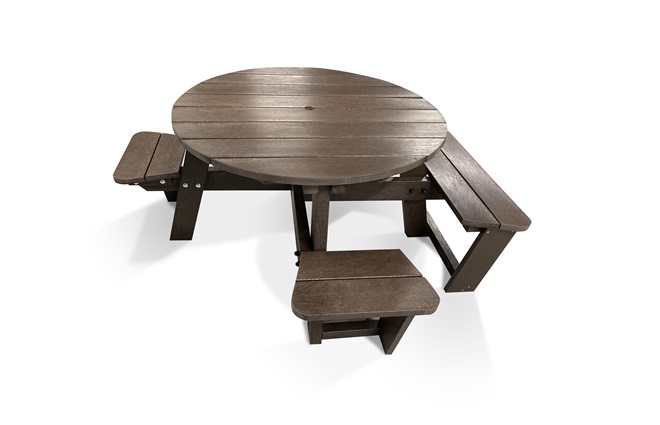
- Wheelchair-accessible picnic tables
- Rest points along walking routes
- Adequate circulation space
- Logical positioning near paths and facilities
Designing for accessibility helps create welcoming environments that can be enjoyed by the widest possible range of users.
Consistency Across Multiple Sites
Many councils manage:
- Parks
- Open spaces
- Nature reserves
- Playgrounds
- Housing developments
- Civic squares
- Coastal paths
- Schools
- Cemeteries
- Country parks
Using a consistent family of furniture products across these locations creates:
- Stronger visual identity
- Simplified maintenance
- Easier stock management
- Streamlined procurement
- Reduced training requirements for maintenance teams
Choosing Furniture That Contractors Want to Install
Approved contractors often work to demanding programmes with tight installation schedules.
Products that are straightforward to handle, assemble and install can help reduce on-site time while ensuring a high-quality finish.
Consistent product ranges also make future expansion and replacement programmes far simpler.
Why Local Authorities Choose Plaswood
Plaswood has become a trusted choice for public realm projects because its recycled plastic furniture has been developed specifically for demanding public environments.
It offers:
- Durable construction designed for public environments
- Very low maintenance requirements
- No painting or staining
- No rot or splinters
- Strong weather resistance for year-round outdoor use
- Long product lifespan
- Manufactured using recycled plastic materials
- Consistent product ranges across benches, bins, bollards and other street furniture
Whether specifying a single community park or delivering a borough-wide improvement programme, Plaswood helps authorities reduce maintenance while creating attractive public spaces that continue to perform for many years.
Questions Procurement Teams Should Ask Before Specifying Street Furniture
Before selecting any public realm furniture, consider:
- What is the expected service life?
- What annual maintenance will be required?
- Will the product rot, rust or splinter?
- What are the whole-life costs?
- Can replacement components be sourced?
- Is the furniture manufactured using recycled or responsibly sourced materials?
- Will it complement existing public spaces?
- Does it support accessibility requirements?
- Is it suitable for high-footfall public use?
Answering these questions early helps ensure procurement decisions deliver long-term value rather than short-term savings.
Specify Street Furniture Built for the Future
When investing public funds, every procurement decision should deliver long-term value, reduce ongoing maintenance and enhance the communities that use these spaces every day.
Plaswood's recycled plastic street furniture provides an attractive, sustainable and exceptionally durable solution for local authorities, landscape architects and approved contractors looking to create public spaces that continue to perform year after year.
Whether you're delivering a town centre regeneration scheme, refurbishing a neighbourhood park or specifying furniture for a new public development, choosing products designed for long-term performance helps reduce maintenance budgets while improving the quality of the public realm.
Planning a new public realm project?
Discover Plaswood's range of park benches, public realm furniture and outdoor street furniture designed specifically for local authorities, landscape architects and approved contractors.
Explore our collections:
Public parks & green spacesStreet furniture range
Frequently Asked Questions
What is public realm furniture?
Public realm furniture includes benches, bins, bollards, picnic tables, signage, planters and other products installed within parks, streets, public spaces and community areas.
What is the best material for park benches?
Recycled plastic offers excellent durability, low maintenance and resistance to rot, moisture and splintering, making it an ideal choice for public environments.
Is recycled plastic street furniture suitable for local authorities?
Yes. Its long service life and minimal maintenance requirements make it particularly well suited to councils, parish councils, housing associations and public sector organisations.
How long does recycled plastic furniture last?
High-quality recycled plastic furniture can remain in service for decades with only routine cleaning.
Does recycled plastic furniture require painting?
No. Unlike timber products, recycled plastic does not require painting, staining or preservative treatments.
Need more information?
Our team is here to help you find the solution. Get in touch and we'll answer your questions.
