

 +44 (0)333 202 6800
Decking Substructure Guide
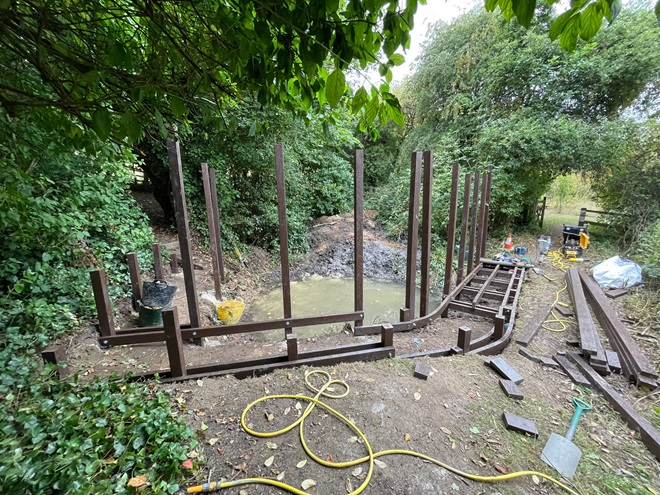
Why the Deck Base Matters More Than the Decking Boards
When planning a decking installation, most attention goes to the visible deck boards.
However, the long‑term performance of any deck depends heavily on the condition and stability of the substructure beneath it. Even high‑quality boards can deteriorate prematurely if the supporting framework weakens.
For this reason, contractors, commercial property owners and landscape professionals are increasingly considering recycled plastic joists and bearers alongside traditional timber options.
This guide explains the factors influencing that choice.
What Is a Decking Substructure?
The substructure forms the framework that supports the deck surface. It typically includes:
- Joists
- Bearers
- Supports
- Posts
- Framing components
The deck boards rely entirely on the integrity of this framework. If the substructure weakens, the deck can become unstable regardless of the condition of the surface boards.
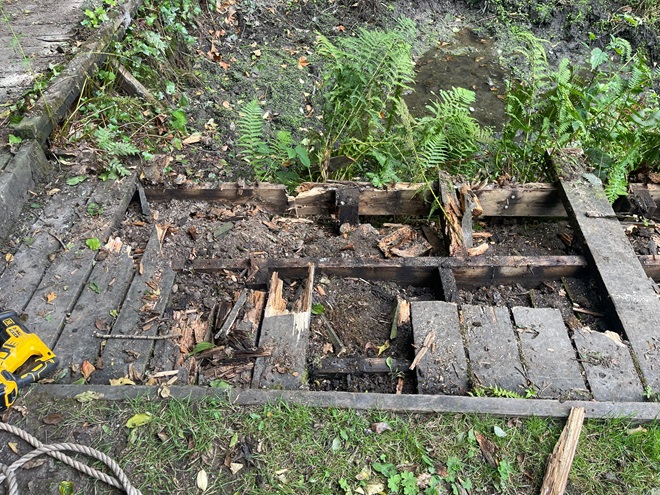
Why Timber Deck Substructures Fail
Timber substructures often operate in the harshest conditions within the decking system. They may be exposed to:
- Ground moisture
- Standing water
- Condensation
- Limited airflow
- Soil contact
These conditions can accelerate deterioration. Common issues include:
Rot
Prolonged moisture exposure can lead to decay and structural degradation.
Warping
Temperature changes and moisture absorption can cause movement within the frame.
Structural Weakness
Repeated wet/dry cycles can reduce long‑term stability.
Hidden Maintenance Problems
Substructures are difficult to inspect once installed. Issues may remain unnoticed until repairs become necessary.
Why Recycled Plastic Joists Are Being Considered More Frequently
Moisture Resistance
Recycled plastic joists do not absorb moisture in the same way as timber. This characteristic makes them suitable for environments where the substructure may be exposed to damp conditions, such as:
- Ground-level decks
- Coastal projects
- Boardwalks
- Hospitality environments
- Wetland installations
Consistent Stability
Plastic joists maintain their shape and dimensions more consistently because they do not swell or shrink with moisture. This can help support:
- Decking board alignment
- Structural performance
- Surface appearance
Lower Routine Maintenance Requirements
Because recycled plastic joists are not prone to rot or moisture‑related degradation, they typically require less routine inspection and replacement activity. This can be beneficial for organisations managing multiple sites.
Compatibility with Decking Systems
Plastic substructures can be used with a range of decking materials including:
- Recycled plastic decking
- Composite decking
- Timber decking
This flexibility allows contractors to enhance the durability of the supporting framework without changing the visible deck finish.

Where Plastic Deck Substructures Provide Value
Holiday Parks
Decking around lodges and communal areas often experiences constant weather exposure and high footfall. Materials with lower maintenance requirements can help reduce disruption during busy periods.
Public Parks
Local authorities often look for materials that help manage maintenance workloads while supporting visitor safety.
Wetlands and Nature Reserves
Boardwalks and access structures frequently operate in permanently damp environments. Moisture‑resistant materials can support long‑term structural performance.
Hospitality Venues
Outdoor spaces contribute directly to visitor capacity. Minimising unplanned repairs can help maintain operational continuity.
Choosing the Right Joist Profile
Key factors to consider include:
Span Requirements
Longer spans may require larger sections or additional supports.
Decking Material
Different decking systems place different loading requirements on the framework.
Usage Levels
Commercial environments typically require higher performance than residential applications.
Ground Conditions
Wet or unstable environments may require specific support structures and load-distribution planning.
Why Contractors Are Looking Beyond Surface Boards
The visible deck boards often receive the most attention during specification. However, replacing a failed substructure is typically more complex and costly than replacing surface boards.
As a result, more organisations are evaluating decking systems based on whole‑life performance rather than initial material cost alone. Investing in a durable framework can help support the lifespan of the entire installation.
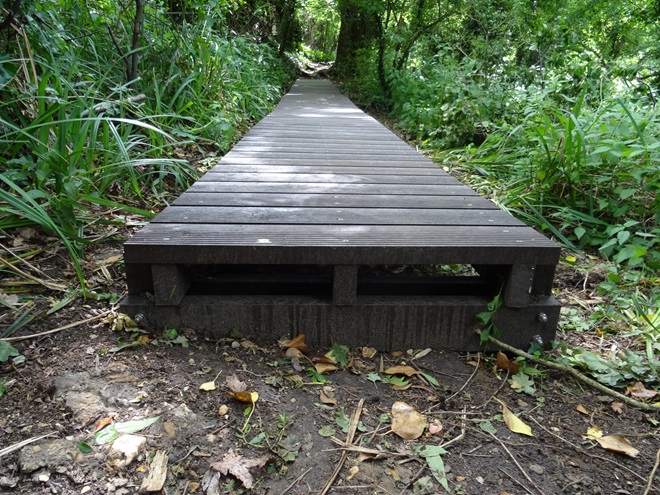
Why Choose Plaswood for Deck Substructures?
Plaswood offers recycled plastic profiles suitable for decking substructures, boardwalks and outdoor infrastructure projects.
Material characteristics include:
- Resistant to rot
- Suitable for damp and wet environments
- Low routine maintenance requirements
- Available in multiple profile sizes
- Compatible with a range of decking systems
- Suitable for commercial and public sector projects
For contractors and asset owners aiming to reduce future maintenance demands, the structure beneath the boards is just as important as the surface itself.
Planning a Decking Project?
Speak with the Plaswood team about suitable joist and bearer profiles for your project or explore the full decking range.
FAQ’s
Can recycled plastic joists be used with timber decking boards?
Yes. Plastic joists can support timber, composite and recycled plastic decking systems.
Do plastic joists rot?
No. Unlike timber, recycled plastic joists do not rot when exposed to moisture.
Are plastic joists suitable for commercial projects?
Yes. They are commonly used in public realm, hospitality, boardwalk and infrastructure applications.
Can recycled plastic joists be installed using standard tools?
Yes. Most cutting, drilling and fabrication can be completed using standard woodworking tools.
Need more information?
Our team is here to help you find the solution. Get in touch and we'll answer your questions.
