

 +44 (0)333 202 6800
Holiday Park Buying Guide: Furniture, Landscaping & Decking
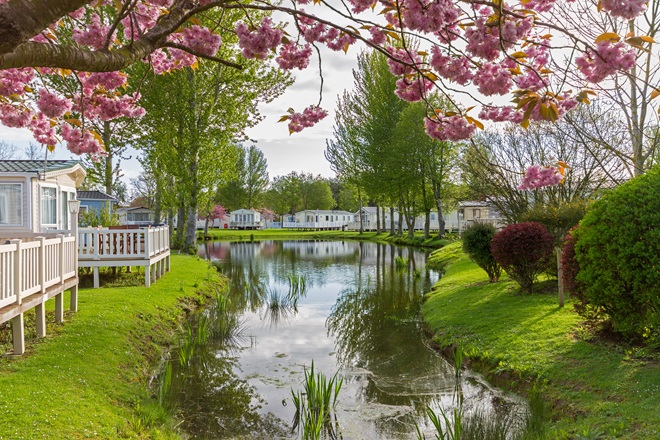
Holiday and caravan parks operate in some of the most demanding outdoor environments. High footfall, constant exposure to weather, and seasonal peaks place sustained pressure on furniture, decking, and landscaping materials. Choosing the right materials is not simply a design decision-it directly affects maintenance budgets, guest safety, sustainability performance (including material longevity, maintenance requirements, and recycled content), and long-term asset value.
This guide is designed to help holiday park owners, operators, and facilities teams make informed, evidence-led decisions about outdoor materials, with a particular focus on where recycled plastic solutions deliver measurable long-term benefits.
Why Material Choice Matters for Holiday Park Furniture & Caravan Park Landscaping
Outdoor infrastructure in holiday parks must perform consistently across years of heavy use. Benches, decking, boardwalks, and landscaped areas are exposed to moisture, UV radiation, salt air in coastal locations, temperature swings, and frequent cleaning regimes. Poorly maintained outdoor surfaces increase slip and trip risks In these challenging conditions, durability and material performance are critical to ensuring assets retain their structural integrity and appearance over time.
Material failure does not only create safety risks-it also disrupts operations. Reactive repairs during peak season can lead to restricted access, negative guest experiences, and unplanned expenditure. “Materials that support circular economy outcomes align with principles promoted by UK sustainability bodies working on waste reduction and resource efficiency, such as (WRAP).
Selecting materials based on whole-life performance, rather than upfront cost alone, is therefore essential for long-term operational resilience.
Core Application Areas for Holiday Park Furniture, Landscaping & Decking
Outdoor Furniture for Guest Areas (Holiday Park Furniture)
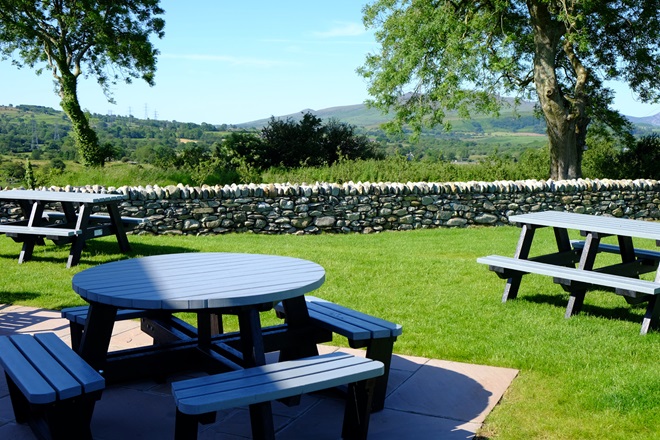
Seating and communal furniture are among the most heavily used assets within a holiday park. Picnic tables, benches, and rest areas must remain safe, visually appealing, and structurally sound despite constant use. Traditional materials can deteriorate quickly in damp or coastal environments, with rotting, splintering, cracking, and corrosion becoming common over time.
Holiday parks typically require furniture solutions that suit a wide range of applications and guest needs. This includes different seating capacities, accessible options, colour choices, and bespoke designs that can be branded or tailored to complement individual park themes. Materials that retain their finish without regular painting or treatment help maintain a consistent guest experience while reducing ongoing maintenance demands.
Landscaping & Public Realm Infrastructure (Caravan Park Landscaping)
Landscaping elements such as planters, edging, boundary features, raised beds, signage, and fencing play a critical role in defining the look, flow, and functionality of a park. These components are often overlooked during procurement, yet they are exposed to ground moisture, soil contact, and mechanical damage from routine grounds maintenance.
Materials specified for landscaping and public realm infrastructure must offer dimensional stability and resistance to decay to ensure wayfinding, boundaries, and planted areas remain visually consistent and structurally sound over time, particularly in high-traffic or exposed locations.
The UK Government’s official SuDS standards provide guidance on surface water and sustainable landscaping context.
Decking, Walkways & Boardwalks (Recycled Plastic Decking)
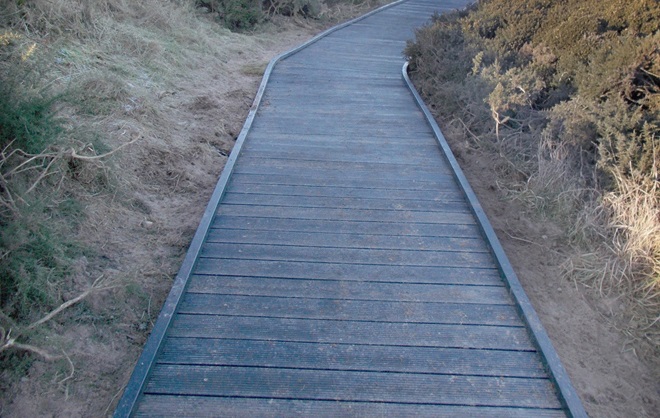
Decking and walkways are critical safety surfaces, particularly around lodges, amenities, and waterside areas. Slip resistance, dimensional stability, and resistance to biological growth are key performance requirements.
Recycled plastic decking has become increasingly specified in high-exposure areas due to its resistance to rot, algae penetration, and moisture absorption when compared with timber-based alternatives.
Comparing Material Options for Holiday Park Furniture & Landscaping
Treated Timber
Timber has long been used in outdoor leisure environments due to its natural appearance and relatively low initial cost. However, timber in high-moisture or high-traffic areas requires frequent maintenance to prevent rot, splintering, and surface degradation.
Protective treatments, paints, and stains must be reapplied regularly, increasing labour costs and introducing chemicals into the environment. Over time, these ongoing requirements can outweigh the initial cost advantage.
Virgin Plastic & Composite Materials
Virgin plastic and wood-plastic composites offer improved moisture resistance compared to timber, but performance varies widely depending on formulation. While these materials may suit certain applications, their long-term sustainability credentials depend heavily on material sourcing and disposal pathways.
Recycled Plastic Materials
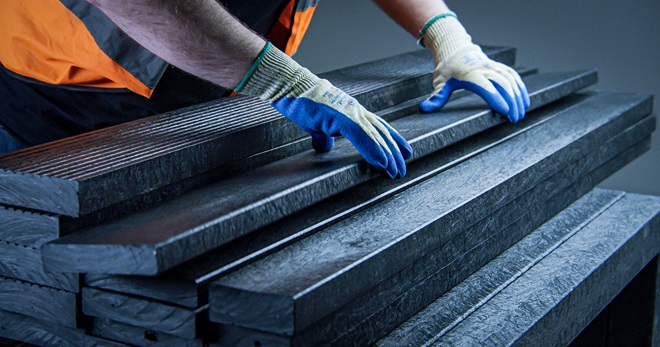
Recycled plastic products are manufactured from post-consumer or post-industrial waste streams, helping to utilise plastic waste that may otherwise be landfilled or incinerated. Unlike timber, recycled plastic does not absorb moisture, rot, or splinter, and it does not require chemical preservatives or surface coatings.
Lifecycle assessments and whole-life performance studies for comparable outdoor applications indicate that recycled plastic products can achieve longer service lives with lower maintenance inputs than timber alternatives, depending on specification and use conditions. This combination of durability and reduced intervention makes recycled plastic particularly well suited to holiday park environments.
Whole-Life Cost & ROI for Holiday Park Furniture and Recycled Plastic Decking
When evaluating outdoor materials, whole-life cost provides a more accurate financial picture than upfront price alone. Whole-life costing includes installation, maintenance, repair, replacement, and disposal.
Whole-life costing approaches informed by the Building Research Establishment guidance and ISO standards shows that materials requiring regular treatment or replacement can cost up to two to three times more over a 25-year period than low-maintenance alternatives, even if their initial purchase price is lower.
For holiday parks operating across multiple seasons, reduced maintenance also delivers operational ROI by:
- Minimising downtime during peak occupancy
- Reducing labour and contractor costs
- Extending replacement cycles
Sustainability & Environmental Performance in Caravan Park Landscaping
Sustainability has become a core consideration for holiday park operators, driven by guest expectations, regulatory frameworks, and corporate ESG commitments. VisitBritain’s regenerative tourism guide highlights sustainability as a business priority in UK visitor attractions.
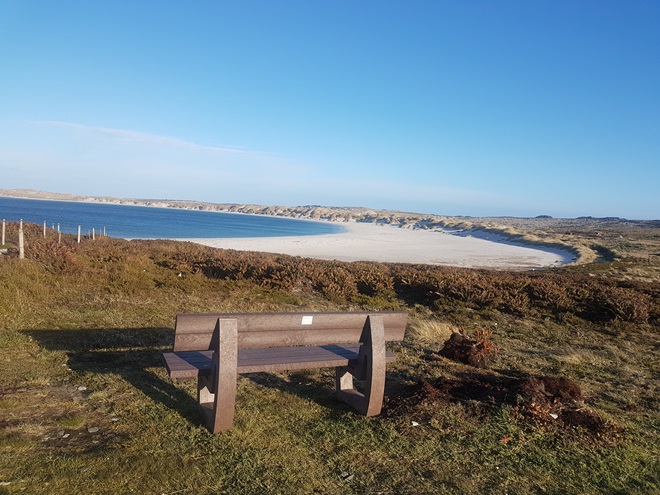
Recycled plastic materials support circular economy principles by giving waste plastics a long-term second life. Unlike some pressure-treated timbers, recycled plastic products do not rely on chemical preservatives or surface coatings that may leach into soil or waterways over time. This makes them particularly suitable for sensitive landscapes and waterside locations.
Safety, Durability & Guest Experience
Guest safety is non-negotiable in hospitality environments. Slip resistance, surface consistency, and structural reliability directly influence risk management.
Materials that resist cracking, splintering, and deformation help maintain safe access routes and seating areas without constant inspection or remedial work.
Where Recycled Plastic Performs Best in Holiday Parks & Caravan Parks
Recycled plastic is particularly effective in:
- Coastal and waterside parks where salt air accelerates timber degradation
- High-use communal seating areas
- Boardwalks, jetties, and access routes subject to frequent wetting
Many operators also specify similar materials across adjacent hospitality and marine environments to maintain consistency and simplify maintenance regimes, as seen in applications aligned with broader hospitality and marina infrastructure.
Procurement Considerations for Holiday & Caravan Park Operators
When specifying materials for holiday parks, procurement teams should assess:
- Expected service life
- Maintenance requirements over time
- End-of-life recyclability
- Supplier consistency and long-term availability
Phased replacement strategies are often effective, allowing operators to upgrade high-impact areas first while spreading capital expenditure across multiple seasons.
Key Takeaways for Holiday Park Owners and Operators
For holiday park and caravan park operators, material choice is a long-term operational decision rather than a short-term purchase. Evidence consistently shows that recycled plastic furniture, landscaping products, and decking reduce maintenance workloads, extend replacement cycles, and support sustainability objectives across hospitality environments by reducing maintenance inputs, extending service life, and incorporating recycled content.
For operators planning upgrades or new developments, exploring recycled plastic solutions purpose-designed for hospitality settings can help improve long-term resilience of outdoor assets while supporting guest experience.
Learn more about Plaswood solutions for hospitality environments by visiting the dedicated hospitality applications page, or explore how similar materials perform in high-exposure waterside settings within the docks and marinas sector.
Frequently Asked Questions About Holiday Park Furniture & Recycled Plastic Decking
Looking to specify long-life, low-maintenance outdoor products for your park? Plaswood designs recycled plastic furniture, decking, and landscaping solutions specifically for demanding hospitality environments. Speak to the team to discuss specifications, lifecycle performance, and phased upgrade options.
How long does recycled plastic furniture last in holiday parks?
Furniture manufactured from recycled plastic will typically outlast traditional timber alternatives by a considerable margin. Its resistance to moisture, rot, and degradation makes it a highly durable, low-maintenance option that is particularly well suited to the demanding conditions found in caravan and holiday parks.
Is recycled plastic suitable for coastal caravan parks?
Yes. Non-corrosive, moisture-stable materials perform best in coastal and waterside environments where salt air accelerates decay in traditional materials.
Does recycled plastic decking become slippery when wet?
Slip resistance is influenced primarily by surface design and finish rather than the base material alone. When correctly specified with textured or profiled surfaces, recycled plastic decking can provide reliable grip in wet conditions and perform well in public access and hospitality environments.
How does maintenance cost compare to timber?
Compared with timber, recycled plastic products typically require far less ongoing maintenance over their service life. Timber often needs regular painting, staining, or replacement due to rot and splintering, whereas recycled plastic maintains its performance and appearance without these interventions, reducing long-term ownership costs.
Does using recycled plastic support sustainability frameworks?
Yes. Recycled plastic products support circular economy principles by giving waste materials a long-term second life and reducing reliance on virgin resources where recycled content is incorporated into the product design. When responsibly sourced and specified, they align well with sustainability objectives commonly adopted across the tourism and hospitality sectors.
Need more information?
Our team is here to help you find the solution. Get in touch and we'll answer your questions.
