

 +44 (0)333 202 6800
How to Specify Outdoor Furniture for Public Spaces
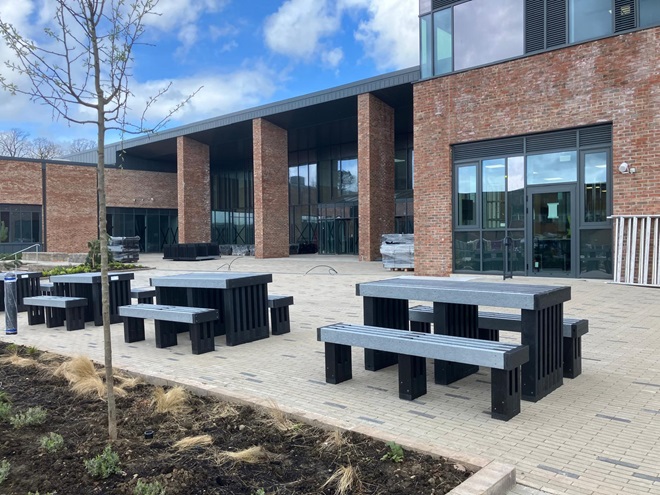
Choosing outdoor furniture for a public space involves considerably more than selecting a bench or picnic table that looks right. Parks, public gardens, town centres, visitor destinations and other shared spaces place significant demands on furniture, from constant exposure to the weather to high levels of daily use.
For local authorities, landscape architects, contractors and other specifiers, the objective should be to select furniture that is appropriate for its environment, its users and the expected level of use while considering maintenance requirements and costs throughout its service life.
Outdoor Furniture for Public Spaces
This guide looks at the key considerations when specifying outdoor furniture for public spaces and explains where recycled plastic can provide a practical alternative to more traditional materials.
1. Start with the location and intended use
Before considering individual products, establish exactly what the furniture needs to do.
A bench installed alongside a quiet walking route faces very different demands from seating in a busy town centre, school, visitor attraction or public park.
Consider:
- Who will use the space?
- How frequently will the furniture be used?
- Will it be exposed to standing water or consistently damp conditions?
- Is the location coastal or exposed?
- Does the site experience particularly heavy footfall?
- Is accessibility a priority?
- Will furniture need to be permanently secured?
- What maintenance resources are available?
- Does the furniture need to complement an existing landscape or colour scheme?
Answering these questions early helps narrow the choice of materials, designs and fixing methods.
2. Consider durability for the environment
Public-space furniture can remain outside 365 days a year. Material performance therefore needs to be considered in the context of the installation environment rather than appearance alone.
Traditional timber can be susceptible to moisture, rot, splitting and splintering and may require ongoing treatments to maintain its appearance and performance. Metal products can introduce different considerations, including corrosion and the maintenance of painted or coated surfaces.
Recycled plastic does not rot or splinter and does not require painting, staining or preservative treatments. This makes it particularly useful in locations where furniture will experience prolonged exposure to moisture or where ongoing maintenance needs to be minimised.
Potential applications include:
- Public parks and gardens
- Playgrounds
- Walking and cycling routes
- Nature reserves
- Coastal locations
- Waterside environments
- Visitor attractions
- Town and village public spaces
Material selection should always be matched to the specific conditions of the site.
3. Think beyond the purchase price
Initial cost is only one part of the financial consideration when specifying public furniture.
A lower-cost product that requires regular maintenance or premature replacement can ultimately cost considerably more than a product with a higher initial purchase price but lower ongoing requirements.
A whole-life assessment should consider:
Questions to Ask
| Consideration | |
| Initial purchase | What is the supplied cost of the furniture? |
| Installation | What preparation, labour and fixings are required? |
| Routine maintenance | Will it need painting, staining, sealing or other treatment? |
| Cleaning | How easily can the furniture be cleaned? |
| Repairs | Are individual components replaceable if damaged? |
| Service life | How long is the product expected to remain suitable for its intended use? |
| Replacement | What are the likely labour and material costs if replacement becomes necessary? |
For councils, estates and organisations managing multiple sites, reducing repetitive maintenance requirements can be particularly important.
Plaswood recycled plastic furniture typically requires cleaning rather than painting, staining or preservative treatment, helping simplify ongoing maintenance planning.
4. Specify for accessibility and inclusive use
Accessibility should form part of the specification from the beginning rather than being considered after a layout has been developed.
Public spaces are used by people with a wide range of mobility requirements. The choice and positioning of furniture can influence how comfortably different visitors can use the space.
Depending on the project, consider:
- Wheelchair-accessible picnic tables
- Suitable spaces alongside benches for wheelchair users
- Appropriate seat heights
- Ease of access to and from seating
- Clear circulation routes
- Space for pushchairs and mobility aids
- Furniture positioning and surrounding surface conditions
Where picnic tables are being installed, providing accessible options alongside standard designs can help create a more inclusive environment.
The overall layout of the site is just as important as the furniture itself, so accessibility requirements should be considered alongside pathways, surfacing and surrounding infrastructure.
5. Choose the right furniture for the activity
Not every public space requires the same type of seating.
Benches
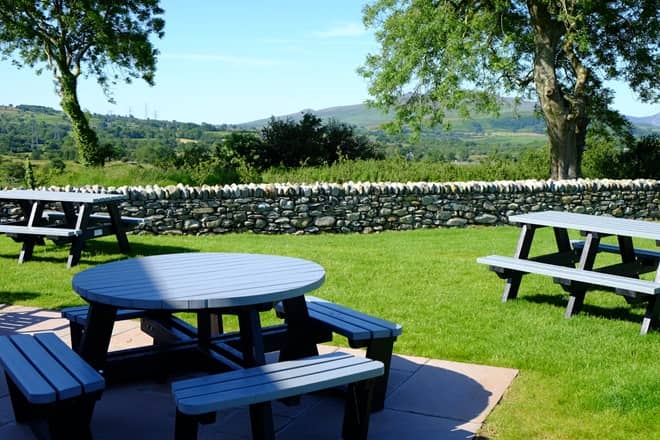
Traditional benches work particularly well where people are expected to stop briefly, rest, enjoy a view or wait.
They can be suitable for:
- Parks
- Footpaths
- Memorial areas
- Town centres
- Nature reserves
- Gardens
- Visitor attractions
Consider whether armrests, backrests or particular seat heights are appropriate for the intended users.
Picnic tables
Picnic tables provide a more functional space for eating, socialising and group activities.
They are particularly useful in:
- Parks
- Recreation areas
- Visitor attractions
- Holiday destinations
- Play areas
- Community spaces
Accessibility, available space and expected group sizes should all influence the design selected.
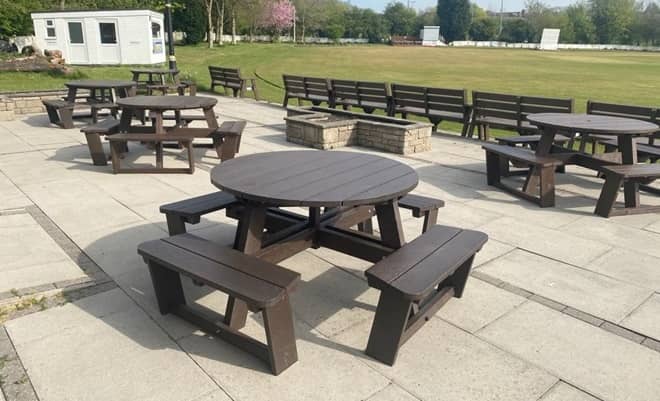
Recycled Plastic Picnic Tables
Street furniture
A wider public-space specification may also incorporate complementary products such as bins, bollards and signage.
Using compatible materials and finishes across different elements can help create a more cohesive public realm while potentially simplifying future maintenance.
Explore Plaswood's recycled plastic street furniture
Products designed for public-space applications.
6. Plan how furniture will be fixed
Fixing requirements can easily be overlooked during initial specification, but they can have a significant impact on installation.
The appropriate approach will depend on the product, surface and location.
Questions to establish include:
- Is the furniture freestanding or permanently fixed?
- What surface will it be installed onto?
- Is additional ground preparation required?
- Are security or unauthorised movement concerns present?
- Does the fixing method need to accommodate the site's accessibility requirements?
- Who will be responsible for installation?
These requirements should be established before products arrive on site, particularly where furniture forms part of a wider landscaping or public-realm project.
For larger schemes, involving the manufacturer or supplier during the specification stage can help identify appropriate products and installation considerations before work begins.
7. Account for cleaning and maintenance
Public furniture inevitably gets dirty. Food and drink, mud, bird droppings, algae and general environmental contamination are normal considerations in outdoor environments.
The important question for a facilities team is how easily those surfaces can be returned to an acceptable condition.
Recycled plastic has very low moisture absorption and routine maintenance is generally focused on cleaning rather than treating the material itself.
This removes requirements associated with maintaining timber finishes, such as sanding, staining and painting.
For organisations responsible for multiple public spaces, specifying materials with simpler maintenance requirements can reduce the number of recurring maintenance activities that need to be scheduled.
8. Consider safety throughout the product's life
Safety considerations should extend beyond the condition of furniture when it is first installed.
A product may initially have a smooth, safe surface but deteriorate as it ages. Timber, for example, can develop splinters or weakened areas as a result of weathering or decay.
When comparing materials, consider:
- Splinter risk
- Rot and structural deterioration
- Stability
- Exposed or damaged fixings
- Surface condition when wet
- How deterioration will be identified
- Frequency of inspections required
- Ease of repairing damaged components
Plaswood recycled plastic does not splinter or rot, removing two common deterioration issues associated with outdoor timber products.
Individual projects may have additional safety or regulatory requirements, which should always be assessed as part of the wider specification.
9. Don't overlook colour and visual integration
Functionality is critical, but public furniture also contributes to the character of a space.
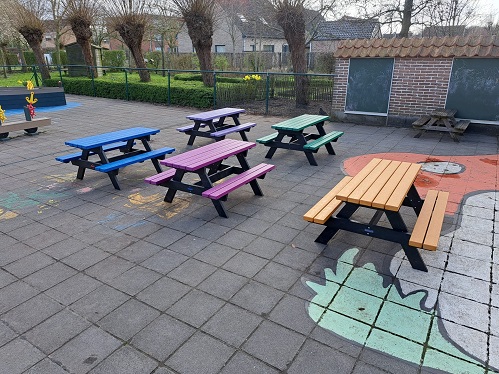
Neutral colours can help furniture sit naturally within parks, heritage environments and landscapes, while brighter colours can be useful where the furniture is intended to create visual interest or support a particular identity.
Colour can also be considered alongside:
- Existing signage
- Wayfinding
- Landscape design
- Organisational branding
- Different activity zones
- Surrounding buildings and infrastructure
Plaswood products are available in a range of colours, although options vary by product, so colour requirements should be established during specification.
10. Consider environmental objectives carefully
Sustainability requirements increasingly influence public-sector and landscape specifications, but material selection should consider more than a single environmental claim.
Relevant questions can include:
- What is the product manufactured from?
- Does it use recycled material?
- How long is it expected to remain in service?
- What treatments are required during its lifetime?
- How frequently is it likely to need replacement?
- Where is it manufactured?
- What happens to the material at the end of its useful life?
Plaswood products are manufactured from recycled plastic, providing a practical application for material that has already been used.
Their resistance to rot also means they do not require the preservative treatments associated with some outdoor timber applications.
For public-sector projects with specific environmental or procurement requirements, relevant product information should be reviewed against the criteria of the individual specification.
11. Consider whether standard or bespoke furniture is required
Standard furniture will meet the requirements of many projects, but some public spaces require something more specific.
Depending on the product and project, bespoke requirements might include:
- Engraved wording
- Organisation or council branding
- Memorial messages
- Site names
- Bespoke dimensions
- Particular colour combinations
Plaswood's in-house manufacturing and CNC capabilities can support bespoke design and engraving on selected products.
Discussing these requirements early is important, particularly where furniture needs to form part of a wider landscape design or public identity.
Outdoor furniture for public spaces specification checklist
Before finalising your outdoor furniture specification, confirm:
- Location: Where will the product be installed?
- Users: Who needs to use it?
- Accessibility: Have inclusive requirements been considered?
- Usage: What level of footfall and daily use is expected?
- Environment: Will it face moisture, coastal exposure or other challenging conditions?
- Material: Is it appropriate for the intended environment?
- Maintenance: What ongoing cleaning or treatment will be required?
- Fixings: How will the furniture be secured?
- Installation: Who is responsible for installation and ground preparation?
- Safety: How will the product perform as it ages?
- Service life: Has longevity been considered alongside initial price?
- Colour: Does it need to complement the surrounding environment?
- Bespoke requirements: Is engraving, branding or customisation needed?
- Whole-life value: Have maintenance and replacement costs been considered?
Specifying recycled plastic furniture for public spaces
The right outdoor furniture specification should balance function, accessibility, durability, safety, maintenance and whole-life value.
There is no single solution for every public space. A town-centre bench, park picnic table and nature-reserve seating area each have different requirements. Establishing those requirements first allows specifiers to make more informed decisions about products and materials.
For projects where rot, splintering, moisture exposure and ongoing maintenance are significant considerations, recycled plastic can provide a durable alternative to traditional timber.
Plaswood manufactures recycled plastic products for public spaces in the UK, with furniture options including benches, picnic tables and complementary street furniture.
Explore our Parks & Gardens solutions and Street Furniture range, or contact the Plaswood team to discuss the requirements of your project.
Frequently Asked Questions
What should be considered when specifying outdoor furniture for public spaces?
Key considerations include the intended users, location, accessibility, expected level of use, material durability, fixing method, maintenance requirements, safety and whole-life cost. These factors should be assessed together rather than selecting furniture based on purchase price or appearance alone.
What is the best material for public-space furniture?
There is no single material that is appropriate for every project. The right choice depends on the environment, intended use, maintenance resources and specification requirements. Recycled plastic can be particularly suitable where resistance to rot, splintering and moisture and low maintenance requirements are priorities.
Is recycled plastic furniture suitable for parks?
Yes. Recycled plastic benches, picnic tables and other street furniture can be used in parks and gardens. Its resistance to rot and moisture makes it particularly useful for permanent outdoor applications.
Does recycled plastic outdoor furniture need treating?
Plaswood recycled plastic does not require painting, staining or preservative treatments. Routine maintenance is primarily cleaning, although installed furniture should still be inspected as appropriate for the site and application.
Can recycled plastic furniture be permanently fixed?
Fixing options depend on the individual product and installation surface. Fixing requirements should therefore be established during specification, particularly for busy or unsupervised public spaces.
Is accessible recycled plastic outdoor furniture available?
Yes. Accessible furniture options, including wheelchair-accessible picnic tables, can be incorporated into public-space designs to help create more inclusive environments.
Need more information?
Our team is here to help you find the solution. Get in touch and we'll answer your questions.
