

 +44 (0)333 202 6800
The Perfect Picnic Table for Public & Commercial Spaces
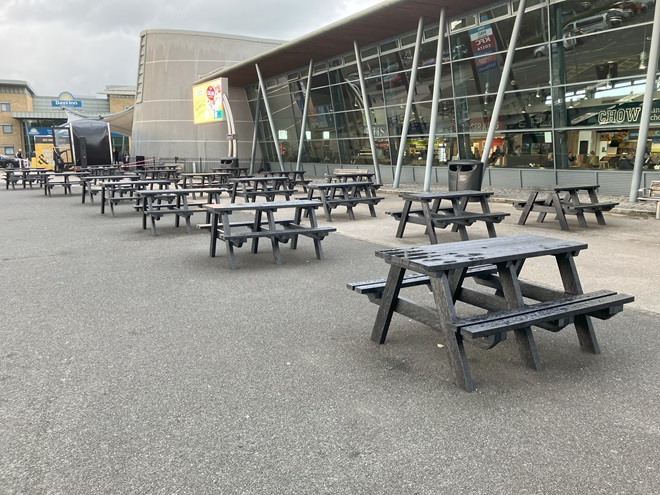
Choosing Outdoor Seating Built for Long-Term Use
Picnic tables are one of the most widely used forms of outdoor furniture.
From pub gardens and restaurant terraces to schools, parks, visitor attractions and holiday parks, they provide practical, space-efficient seating that encourages people to spend more time outdoors.
However, not all picnic tables deliver the same long-term value.
Many organisations find themselves replacing outdoor furniture far sooner than expected due to weather damage, rotting timber, vandalism, splintering surfaces or ongoing maintenance costs.
Choosing the right picnic table is therefore about much more than appearance. It requires careful consideration of durability, safety, maintenance requirements and whole-life cost.
This guide explains what to look for when selecting commercial picnic tables and why many organisations are moving away from traditional materials in favour of recycled plastic alternatives.
Why Picnic Tables Remain One of the Most Popular Outdoor Seating Solutions
Unlike individual benches and chairs, picnic tables combine seating and dining space within a single structure.
This makes them particularly suitable for environments where visitors are likely to eat, work, socialise or spend extended periods outdoors.
Common applications include:
- Schools and colleges
- Public parks
- Visitor attractions
- Pub gardens
- Restaurant terraces
- Holiday parks
- Caravan parks
- Nature reserves
- Community spaces
- Commercial premises
A well-positioned picnic table can increase the usability of outdoor spaces while helping organisations maximise available seating capacity.
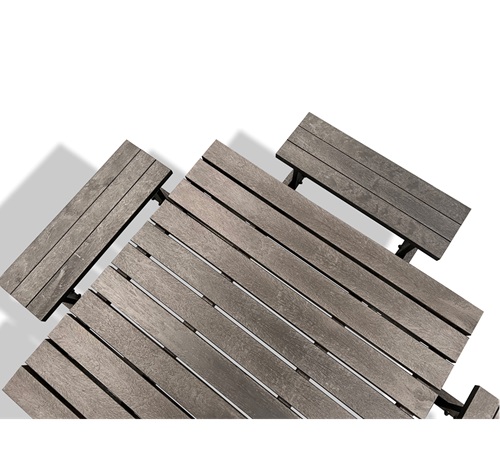
What Problems Do Traditional Picnic Tables Create?
Many outdoor furniture installations are initially selected based on purchase price rather than long-term ownership costs.
While timber picnic tables often have a lower upfront cost, they can create significant maintenance challenges over time.
Rot and Decay
Outdoor furniture is exposed to constant moisture, temperature fluctuations and UV exposure.
Timber picnic tables can deteriorate when exposed to these conditions, particularly in shaded or damp locations.
This can lead to:
- Structural weakening
- Surface deterioration
- Increased maintenance requirements
- Premature replacement
Splinters and Surface Damage
As timber ages, surfaces can crack and splinter.
This can create safety concerns in public environments, particularly where children are present.
Schools, parks and visitor attractions often prioritise furniture that provides a consistently smooth surface throughout its lifespan.
Ongoing Maintenance Costs
Many timber products require:
- Painting
- Staining
- Preservative treatments
- Sanding
- Repairs
When multiple picnic tables are installed across a site, maintenance costs can quickly escalate.
Metal Corrosion
Metal furniture can provide strength but may be susceptible to corrosion depending on environmental conditions.
Coastal sites and exposed locations often experience accelerated wear, requiring ongoing maintenance or replacement.
What Should You Look for in a Commercial Picnic Table?
Durability
Commercial furniture should be capable of withstanding:
- Heavy daily use
- Changing weather conditions
- Public access
- Seasonal temperature fluctuations
Durability is particularly important for local authorities, hospitality venues and visitor attractions where furniture is expected to perform for many years.
Low Maintenance
Reducing maintenance requirements helps organisations:
- Lower operating costs
- Reduce labour requirements
- Minimise disruption
- Improve asset longevity
This is one of the main reasons recycled plastic furniture is increasingly specified for outdoor projects.
User Safety
Safe outdoor furniture should minimise the risk of:
- Splinters
- Sharp edges
- Structural instability
This is especially important within educational and public environments.
Accessibility
Many organisations are seeking picnic table designs that improve accessibility and inclusivity.
Features may include:
- Wheelchair-accessible seating positions
- Easy access arrangements
- Improved circulation space around seating areas
These considerations can help support wider accessibility objectives across public spaces.
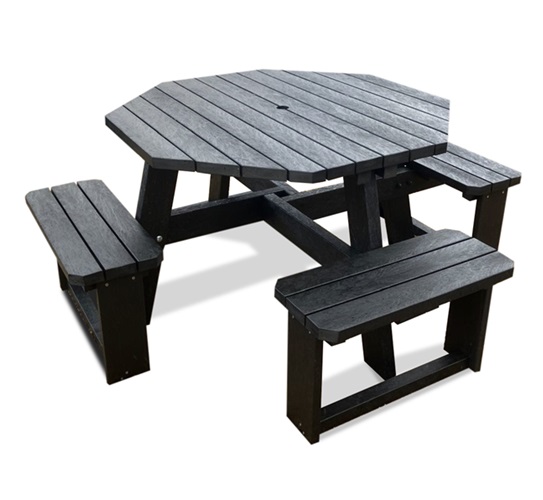
Why Recycled Plastic Picnic Tables Are Growing in Popularity
Recycled plastic picnic tables have become increasingly common across commercial and public-sector environments.
Rather than focusing solely on sustainability messaging, many buyers are attracted by their practical performance benefits.
Resistant to Rot
Unlike timber, recycled plastic does not rot when exposed to moisture.
This makes it particularly suitable for:
- Parks
- Coastal locations
- Wetland environments
- Hospitality venues
- Outdoor education spaces
No Painting or Staining
Recycled plastic furniture does not require regular painting, staining or preservative treatments.
For organisations managing large estates, this can significantly reduce ongoing maintenance demands.
Consistent Surface Finish
The material does not splinter like traditional timber, helping maintain a safe and comfortable seating surface throughout its service life.
Suitable for High-Traffic Environments
Commercial picnic tables often experience constant use.
Recycled plastic furniture is commonly specified where durability and longevity are priorities.
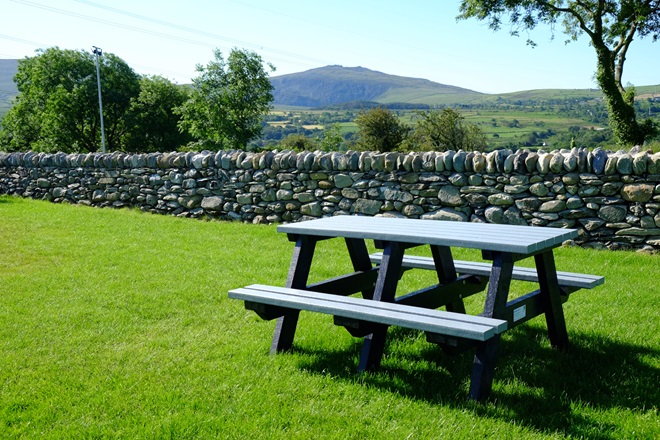
Choosing the Right Picnic Table for Your Sector
Schools and Education
Educational environments typically prioritise:
- Safety
- Durability
- Low maintenance
- Inclusive seating options
Outdoor learning areas, playgrounds and social spaces can all benefit from robust picnic table installations.
Hospitality and Leisure
Pub gardens, cafés and restaurants need outdoor furniture that can withstand regular customer use while maintaining a professional appearance.
Key considerations include:
- Seating capacity
- Ease of cleaning
- Durability
- Long-term value
Parks and Public Spaces
Local authorities often seek furniture solutions that reduce maintenance requirements while supporting long-term public use.
Picnic tables are commonly installed within:
- Parks
- Country parks
- Coastal paths
- Community spaces
- Recreation areas
Visitor Attractions
Visitor attractions frequently use picnic tables to increase visitor dwell time and improve overall visitor experience.
Outdoor seating can support:
- Catering facilities
- Viewing areas
- Rest points
- Educational spaces
Whole-Life Cost Matters More Than Purchase Price
When evaluating picnic tables, the cheapest option is not always the most economical.
Decision makers should consider:
- Installation costs
- Maintenance costs
- Repair requirements
- Replacement frequency
- Expected lifespan
For many commercial organisations, lower-maintenance furniture can provide significantly better long-term value than products requiring regular upkeep.
Why Choose Plaswood Picnic Tables?
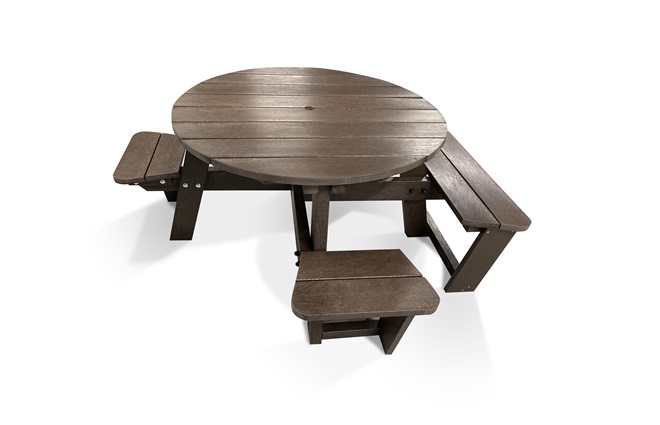
Plaswood picnic tables are manufactured in the UK from recycled plastic and designed for demanding outdoor environments.
Benefits include:
- Resistant to rot and moisture
- No painting or staining required
- Low maintenance
- Durable construction
- Suitable for commercial and public-sector use
- Available in a range of styles and configurations
Whether you're creating an outdoor dining area, upgrading public seating or specifying furniture for a new development, selecting the right picnic table can help reduce maintenance demands while improving long-term performance.
Looking for Commercial Picnic Tables?
Explore the Plaswood picnic table range or speak with our team about selecting the most suitable solution for your project.
Frequently Asked Questions
How long do recycled plastic picnic tables last?
Service life will vary depending on usage and environmental conditions, but recycled plastic picnic tables are designed for long-term outdoor use and do not suffer from timber rot.
Are recycled plastic picnic tables suitable for schools?
Yes. They are widely used in educational settings because they are durable, low maintenance and do not splinter like traditional timber furniture.
Do recycled plastic picnic tables require painting?
No. Unlike timber alternatives, recycled plastic picnic tables do not require painting, staining or preservative treatments.
Are commercial picnic tables suitable for year-round outdoor use?
Yes. Commercial-grade picnic tables are designed to remain outdoors throughout the year and withstand varying weather conditions.
Can picnic tables be wheelchair accessible?
Yes. Many commercial picnic table designs include accessible seating arrangements to improve inclusivity and ease of use.
Need more information?
Our team is here to help you find the solution. Get in touch and we'll answer your questions.
