

 +44 (0)333 202 6800
Plaswood® Play Area made from 1M Happy Meal® Toys
Executive Summary
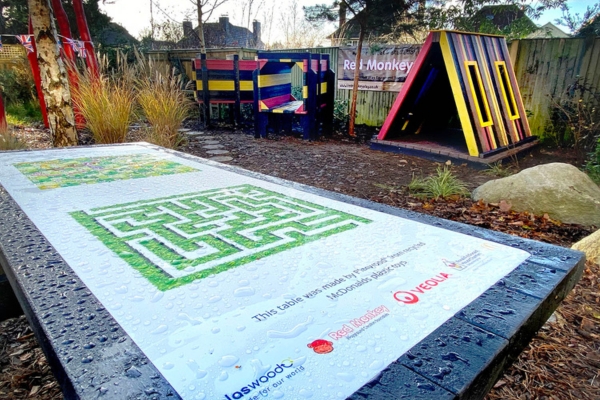
A recycled‑plastic materials brand within Amcor supported the development of playground equipment created using recycled plastic toys collected through a UK and Ireland toy‑takeback initiative.
Traditional timber materials typically require ongoing upkeep, which can increase long‑term maintenance demands for community spaces.
Working collaboratively across multiple partners, a recycled‑plastic lumber solution-manufactured using recycled plastic feedstock processed by Plasgran (now part of Amcor) - was used to create durable, low‑maintenance playground installations for Ronald McDonald House Charities House Oxford.
The result: a long‑life, easy‑clean and weather‑resistant play environment designed to serve families using the facility.
About the Client
Ronald McDonald House Charities UK provides free accommodation and support for families whose children are receiving care in hospital. Its houses are designed to offer welcoming, safe and engaging spaces, including outdoor areas for children and families spending time away from the clinical environment.
The organisation seeks materials and solutions that offer reliability, long service life, and minimal upkeep to ensure spaces remain accessible and comfortable for visiting families.
The Challenge
For outdoor play areas used by families year‑round, traditional materials can present several challenges:
- Weather‑related wear, including moisture absorption and surface deterioration.
- Frequent cleaning requirements due to high use.
- Ongoing repairs linked to rot, splintering or surface damage.
These maintenance needs can create additional operational demands and increase long‑term upkeep.
Ronald McDonald House Charities UK sought an alternative that would provide long service life, consistent presentation and reduced maintenance over time.
The Solution
Recycled plastic from toys collected through a UK and Ireland toy‑takeback initiative was processed at Plasgran, now part of Amcor. This process included shredding the toys, separating non‑plastic materials and cleaning the remaining plastic.
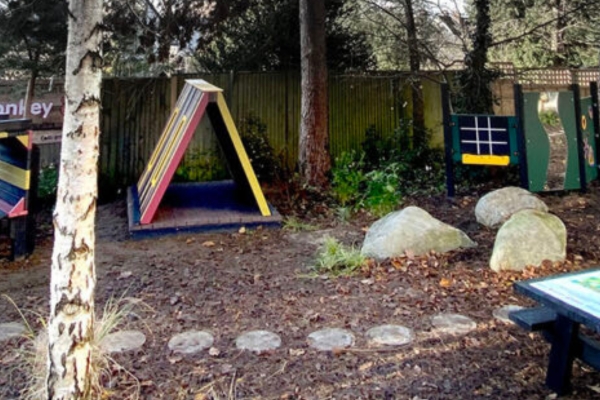
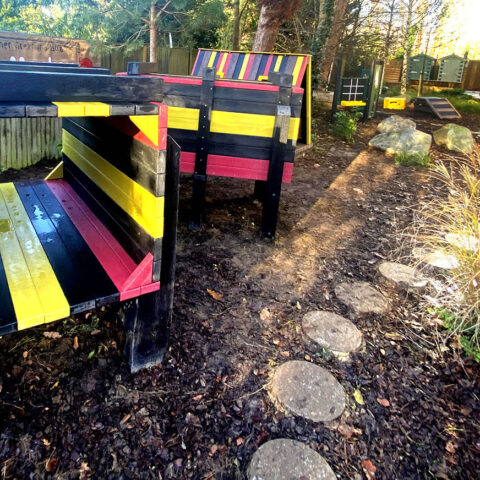
The resulting recycled plastic was then manufactured into recycled‑plastic lumber at a facility in Dumfries. This material was selected for use in a range of bespoke playground elements designed to suit the characteristics of the recycled lumber and meet the specific requirements of the Oxford house.
Key features of the recycled‑plastic lumber include:
- Resistance to moisture, supporting long‑term durability in outdoor conditions.
- Easy‑clean surfaces suitable for family‑use environments.
- Low‑maintenance design, avoiding the need for painting, staining or repairs related to rot or splintering.
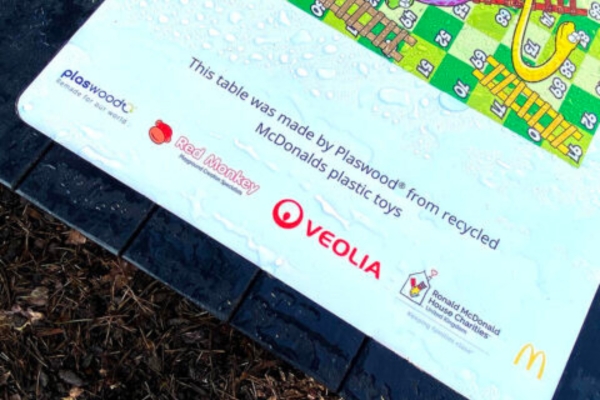
- Suitability for creating a variety of playground structures, including dens, activity walls and tables.
A spokesperson for the recycled‑plastic brand commented: “We are pleased to have contributed material that demonstrates how used plastic can be reprocessed into new applications that support community spaces.”
The Results
This collaborative project delivered a robust and low‑maintenance playground installation, supporting several key benefits:
- Reduced ongoing maintenance demands compared with untreated timber.
- Consistent appearance and reliable performance in outdoor family environments.
- Use of recycled‑content materials, supporting circular‑design goals.
- A play environment designed to be durable, easy to clean and suitable for regular use by visiting families.
The characteristics of the recycled‑plastic lumber are designed to support long‑term performance, helping reduce lifecycle maintenance requirements under typical outdoor conditions.
Key Takeaways
Recycled‑plastic lumber offers a long‑life, low‑maintenance alternative to untreated timber for outdoor environments.
- Collaboration across collection, recycling and design partners enabled the creation of a bespoke play space for families.
- Materials incorporating recycled content can support circular‑design objectives when used in durable applications.
- Durable, low‑upkeep materials help maintain consistent and welcoming community environments.
Need more information?
Our team is here to help you find the solution. Get in touch and we'll answer your questions.
